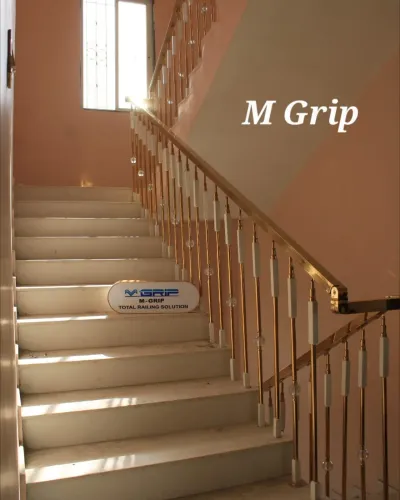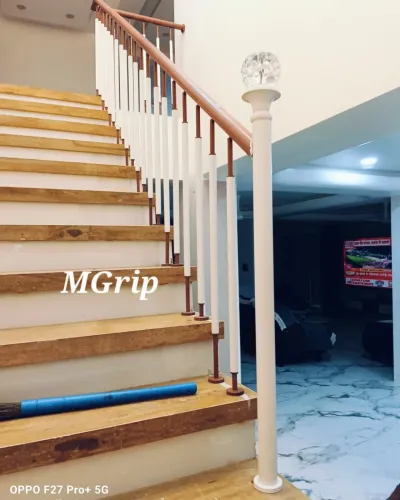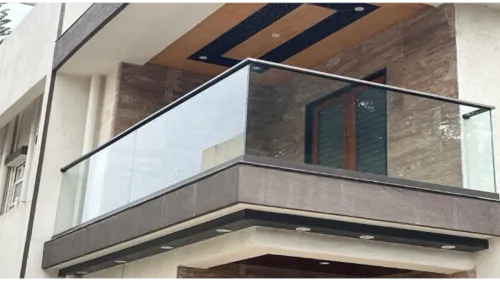
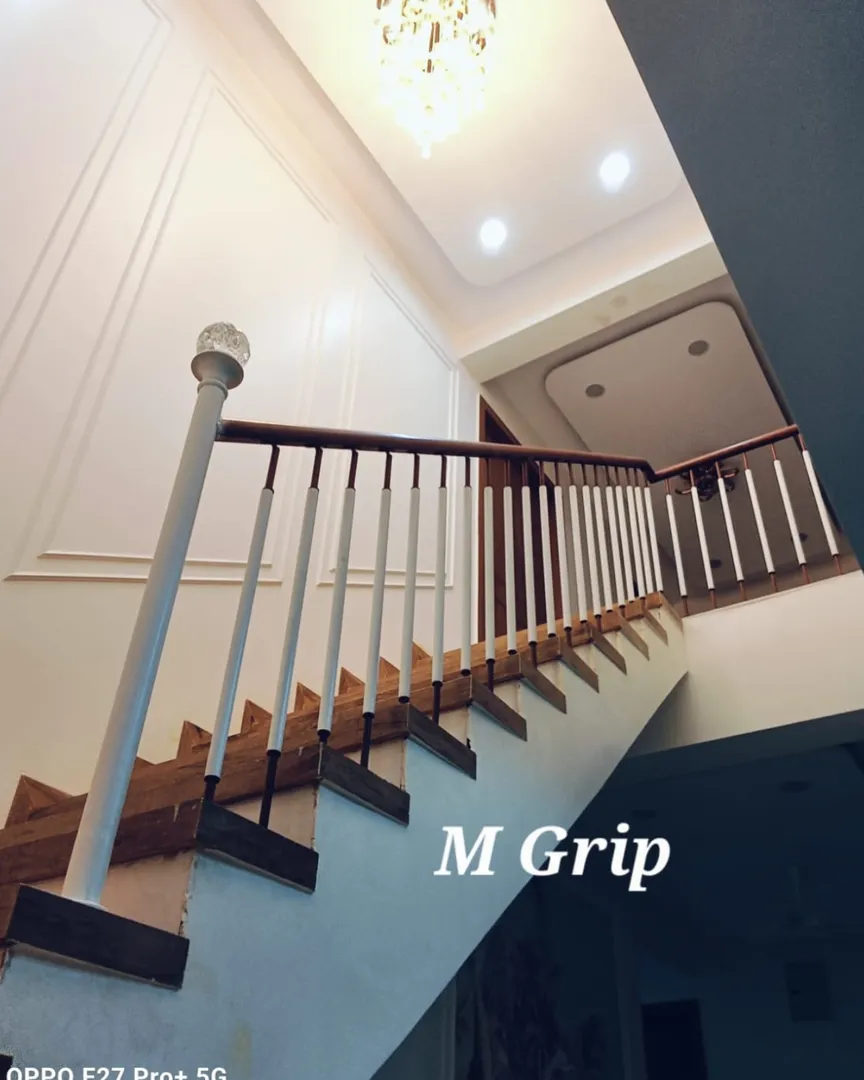
Traditional railing fabrication often involves substantial cutting, welding, grinding, finishing, and adjustment at the project site or fabrication workshop. Modular railing systems take a different approach by using coordinated components designed to connect in predictable configurations.
For contractors and fabricators evaluating a Modular Railing System Manufacturer in Rajkot, the key question is whether modular construction can simplify their particular project without compromising design requirements.
How Modular Railing Systems Differ
A modular system is built around compatible parts rather than treating every railing as an entirely custom fabrication exercise.
Depending on the design, components can include posts, handrails, brackets, connectors, glass fittings, elbows, base plates, covers, and other accessories.
This approach can reduce the amount of fabrication needed for common configurations.
Where Modular Systems Can Solve Installation Problems
Site fabrication can become difficult when working in occupied buildings, finished interiors, or projects with limited workspace. Excessive cutting, welding, and polishing can also increase coordination requirements.
A properly planned modular railing can help reduce some of these challenges.
Potential advantages include:
- More predictable component compatibility
- Cleaner assembly
- Easier replacement of individual parts
- Reduced dependence on extensive on-site fabrication
- Better repeatability across multiple railing sections
- Simplified planning for standard configurations
The actual benefit depends on project design and installation conditions.
Standardisation Does Not Mean Identical Design
One misconception is that modular railings always look generic.
In practice, the appearance can vary according to material, glass configuration, handrail profile, post design, finish, and accessory selection. The modular aspect relates primarily to how compatible components are organised and assembled.
This allows architects and fabricators to achieve different visual outcomes while working within a coordinated component family.
Measure Before Selecting Components
Modular construction still requires accurate planning. Staircase angles, balcony corners, floor levels, fixing surfaces, railing heights, and transitions can create project-specific conditions.
Before ordering, prepare measurements and identify unusual junctions. Complex areas should be resolved before standard components are dispatched.
M Grip Railing Industries works with railing systems and associated components for buyers requiring coordinated architectural solutions in Gujarat.
Is a Modular System Right for Every Project?
Not necessarily.
Highly customised architectural railings may still require specialised fabrication. Modular systems tend to offer the greatest value where repeatability, installation efficiency, component consistency, and cleaner assembly are priorities.
For Rajkot contractors, fabricators, builders, and property developers, the practical comparison should therefore be between project requirements rather than simply 'modular versus traditional.'
Consider the number of railing sections, level of customisation, site fabrication restrictions, desired finish, glass requirements, installation schedule, and availability of compatible components. When these factors align, a modular railing system can make execution considerably more organised.
Keywords