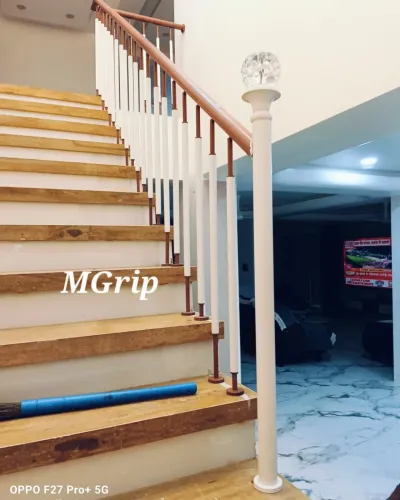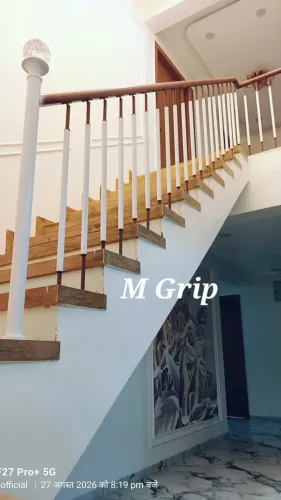


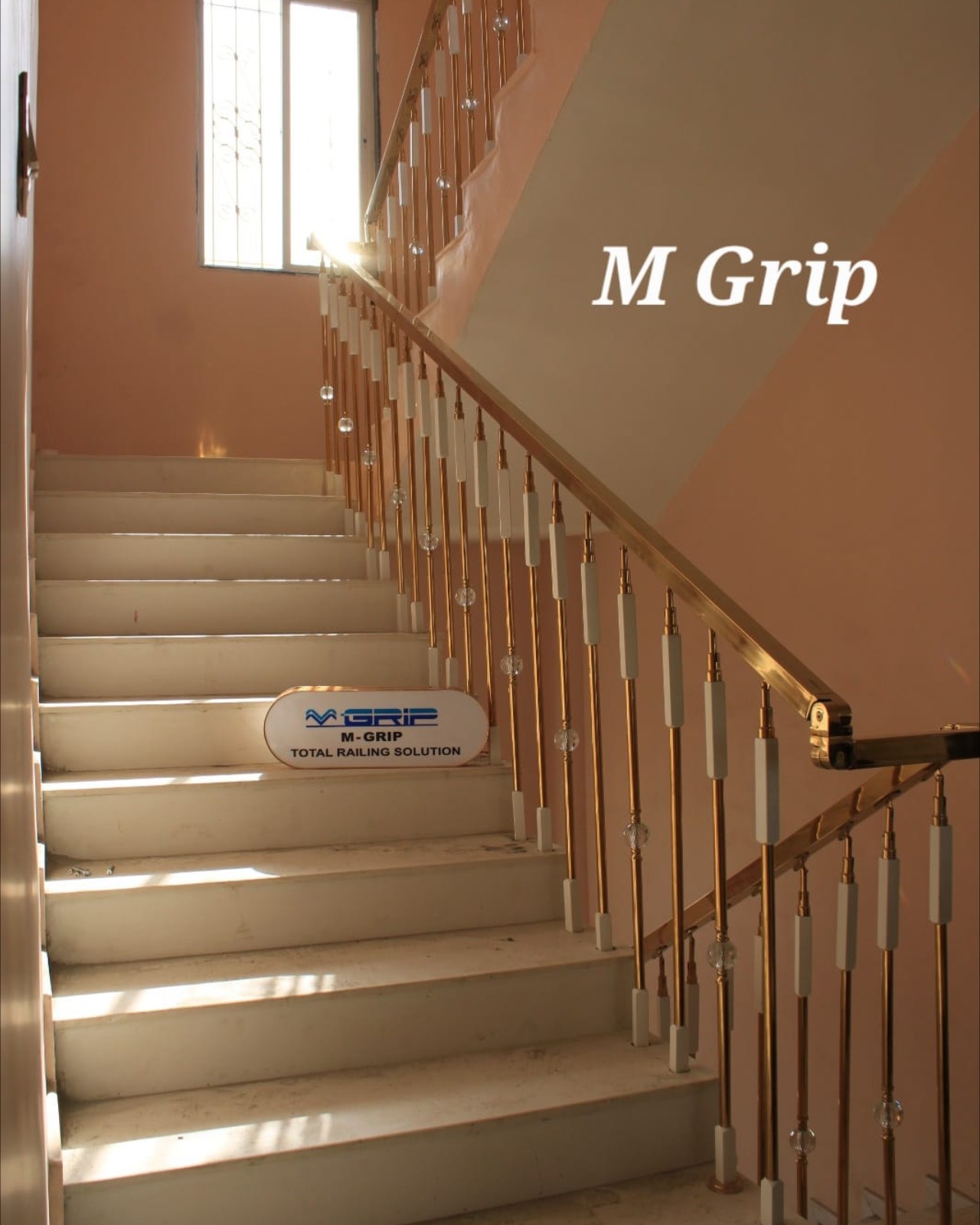
Designer railings have moved beyond their basic role as edge protection. In contemporary architecture, a railing can influence how open a staircase feels, how uninterrupted a balcony view appears, and how effectively different materials connect across an interior or façade.
For property owners and professionals considering Designer Glass Railing Systems in Ahmedabad, the strongest results usually come from selecting a system around the architecture rather than choosing a railing design in isolation.
What Makes a Glass Railing a Designer System?
The distinction is not simply decorative hardware.
A thoughtfully designed system coordinates glass, profiles, fittings, finishes, fixing details, and surrounding materials. The objective is to make the railing look intentional within the overall space.
Common approaches include frameless glass, slim aluminium profiles, stainless steel components, spigot-supported panels, decorative metallic finishes, and modular configurations.
Match the Railing to the Property
Different spaces call for different visual treatments.
A modern villa with open views may benefit from a frameless balcony railing that keeps visual interruption low. A luxury staircase can combine transparent glass with carefully selected metallic details.
Commercial offices often favour clean, understated systems that preserve openness. Hotels, restaurants, and premium retail spaces may use distinctive finishes to make the railing part of the interior design identity.
Ahmedabad's mix of new residences, commercial properties, hospitality developments, and renovation projects creates opportunities for all of these approaches.
Details Determine the Premium Appearance
Expensive materials do not automatically create a refined railing.
Several details deserve close attention:
- Consistent glass gaps
- Accurate profile alignment
- Clean corners and terminations
- Coordinated metallic finishes
- Minimal unnecessary hardware
- Neat wall connections
- Properly resolved floor interfaces
- Consistent railing heights
These are often the details that separate a professionally planned system from one assembled component by component at the site.
Choose Materials for the Environment
Appearance should be balanced with practical requirements.
Outdoor railings need materials and finishes suited to environmental exposure. Interior systems may allow greater emphasis on decorative detailing. Frequently handled commercial railings should also be evaluated for maintenance and cleaning requirements.
Glass specification, hardware selection, structural support, and anchoring must remain appropriate regardless of aesthetic goals.
Involve the Manufacturer Before Finalising Details
Early manufacturing input can help determine whether desired profiles, finishes, fittings, and transitions can be executed cleanly.
M Grip Railing Industries provides architectural railing manufacturing solutions for projects requiring coordinated glass, aluminium, stainless steel, spigots, fittings, and related components.
For Ahmedabad architects, interior designers, builders, fabricators, and property owners, it is useful to share drawings, dimensions, reference designs, installation conditions, and finish preferences before production begins.
Designer glass railings are most successful when aesthetics and execution are considered together. A transparent panel may appear visually simple, but achieving clean alignment across glass, metal, corners, joints, and fixing points requires careful planning. That coordination is what turns a functional railing into an architectural feature that feels genuinely integrated with the property.