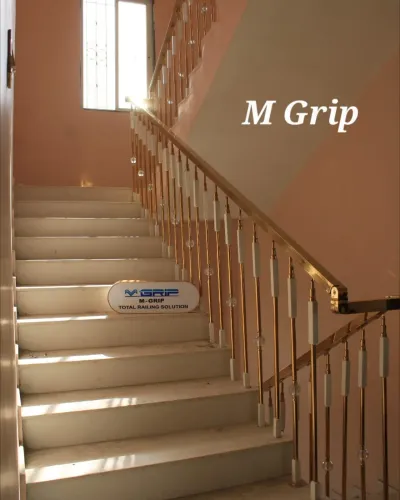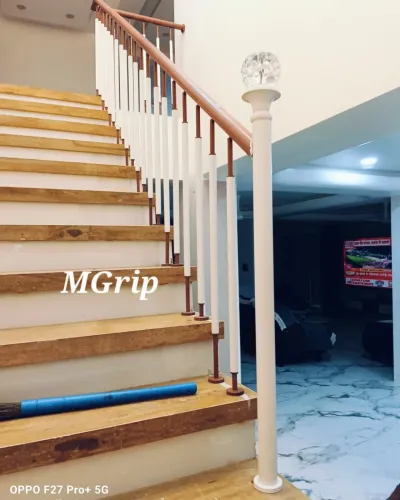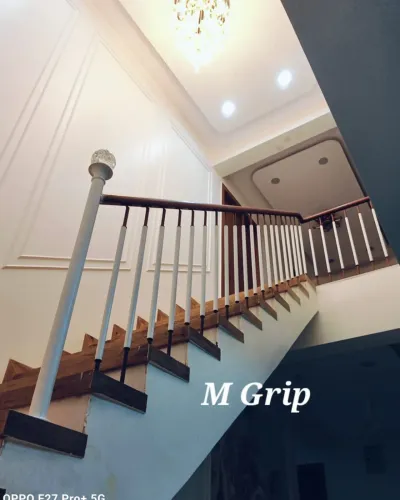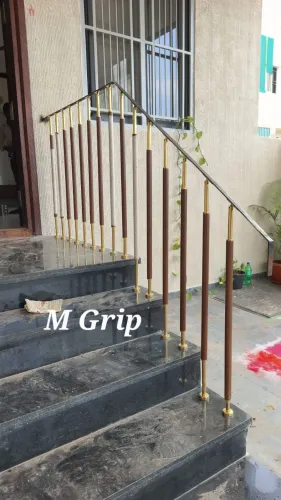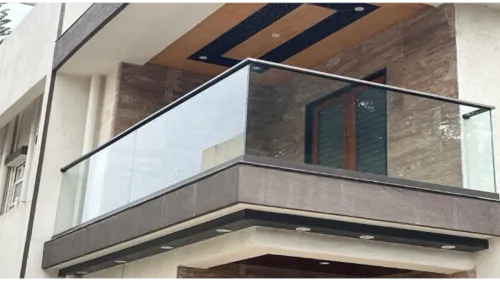
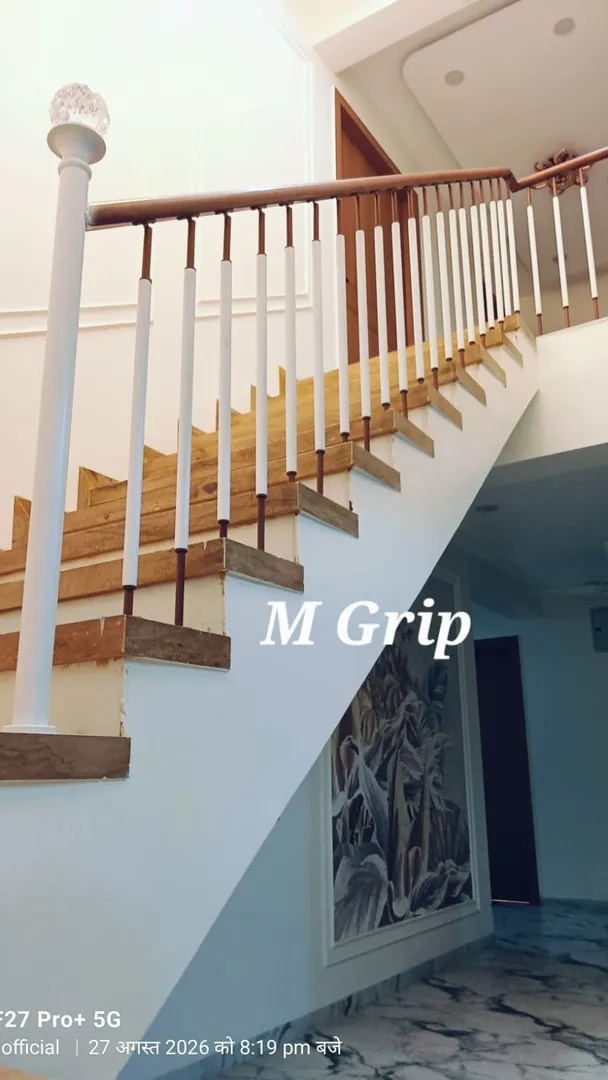
A balcony railing is both an architectural feature and an important protective barrier. Selecting it purely because a particular design looks attractive can overlook factors such as glass specification, anchoring, environmental exposure, maintenance, and compatibility between components.
Before ordering from a Balcony Glass Railing Manufacturer in Gujarat, use a practical project checklist to evaluate the complete system.
1. Identify the Balcony Conditions
Start with the physical site.
Is the balcony fully exposed to rain and wind? Does it have a concrete slab or parapet? Is waterproofing already completed? Are tiles or other finishes installed?
These details influence how the railing can be fixed and should be communicated before manufacturing or installation planning.
2. Confirm the Glass Specification
Balcony glass performs a safety function, so appropriate safety glazing is essential.
The correct specification depends on the railing design, panel dimensions, support method, engineering requirements, and applicable building standards. Avoid selecting glass thickness based only on another property's installation.
3. Decide Between Frameless and Framed Designs
Frameless glass creates greater visual openness and is particularly attractive where preserving a view is important.
Framed or post-supported systems provide a more visible structural rhythm. Both can work effectively when correctly designed.
The choice should reflect the architecture of the building rather than current trends alone.
4. Check the Hardware
Look beyond the glass and inspect the supporting system.
Important components can include:
- Base channels
- Spigots
- Posts
- Glass clamps
- Handrails
- Connectors
- Base plates
- Covers and end caps
Components should be compatible with one another and appropriate for outdoor exposure.
5. Consider Maintenance Access
Glass needs periodic cleaning, especially in dusty urban environments. The design should allow reasonable access to panel surfaces and hardware.
In Ahmedabad and other parts of Gujarat, outdoor dust and seasonal weather can influence how frequently balcony railings require cleaning.
6. Review Corners and Transitions
Straight railing sections are relatively simple. Corners, stair connections, wall terminations, changes in floor level, and gates require more planning.
These details should be resolved before ordering rather than improvised during installation.
7. Evaluate Manufacturing Consistency
For developments with several balconies, uniformity matters. Profile dimensions, fitting finishes, panel spacing, and railing heights should remain consistent throughout the project.
M Grip Railing Industries manufactures railing systems and related components for residential and commercial requirements across the regional market.
A well-designed balcony railing comes from coordinating architecture, glass, metal components, substrate conditions, and installation. For builders, architects, fabricators, and homeowners in Gujarat, completing these checks before procurement can prevent many of the alignment, finishing, and compatibility issues that otherwise become visible only when installation begins.
Keywords